

Introduction
As digital transactions surge and the cryptocurrency market continues to evolve, secure and scalable blockchain infrastructures have become paramount. In fact, according to recent data, an astonishing $4.1 billion was lost due to DeFi hacks in 2024 alone. This alarming figure highlights the immense security challenges facing decentralized finance (DeFi) systems. To counter these threats, Layer 0 protocols have emerged as a groundbreaking solution. This article aims to fully explain what Layer 0 protocols are, their significance in the blockchain universe, and how they can revolutionize the industry.
What Are Layer 0 Protocols?
Layer 0 protocols serve as the foundational layer for blockchain networks. Think of them like the bedrock upon which entire blockchain ecosystems are built. They facilitate communication between different blockchains, enabling them to interact seamlessly. This interoperability allows various chains to share data and resources, leading to greater efficiency and scalability.
- Heterogeneous interoperability, connecting different blockchains like Ethereum and Bitcoin.
- Improved scalability by allowing parallel processing of transactions.
- Enhanced security by enabling secure cross-chain asset transfers.
The Architecture of Layer 0
The architecture of Layer 0 protocols can be quite complex. At its core, Layer 0 incorporates various components to ensure seamless operations among multiple Layer 1 blockchains. Some key elements include:
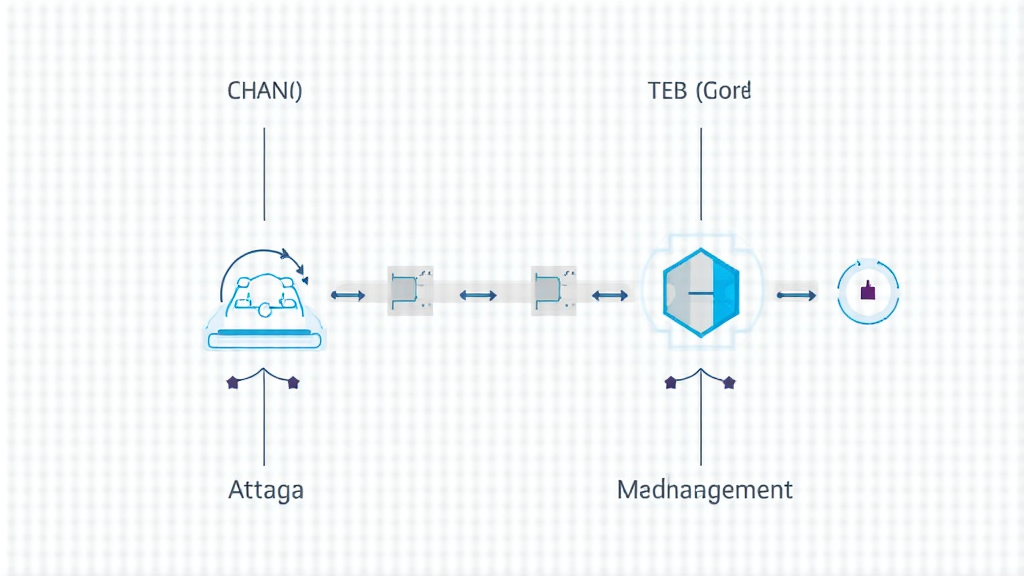
- Relay Chains: These chains facilitate communication and transaction validation among different Layer 1 chains.
- Bridges: They allow different networks to interact, acting like connectors between Layer 1 blockchains.
- Communication Protocols: These protocols manage how data is exchanged and ensure secure transactions across different networks.
For example, Polkadot’s relay chain acts as a Layer 0 protocol, allowing various blockchains (parachains) to communicate and share information. This is crucial in a landscape where over 8,000 digital currencies exist.
Key Benefits of Layer 0 Protocols
Understanding the benefits of Layer 0 protocols will help you appreciate their importance in the blockchain ecosystem. Here are the main advantages:
- Scalability: They allow multiple blockchains to operate concurrently, increasing transaction throughput and reducing congestion.
- Interoperability: Layer 0 enables disparate blockchain networks to interact, enhancing functionality and user experience.
- Security: With enhanced cross-chain mechanisms, Layer 0 protocols provide a more secure environment for asset transfers and data sharing.
- Reduced Costs: Cost-effective cross-chain solutions can significantly lower transaction fees for users.
As the 2025 cryptocurrency landscape continues to mature, these benefits will not only drive adoption but also enhance user experience.
Real-World Examples of Layer 0 Protocols
Several Layer 0 protocols have emerged, reshaping the blockchain industry. Here are two prominent examples:
- Polkadot: A pioneer in Layer 0 development, Polkadot allows various blockchains (parachains) to connect through its relay chain architecture.
- Cosmos: Leveraging the Inter-Blockchain Communication (IBC) protocol, Cosmos enables heterogeneous networks to communicate with ease.
Challenges Faced by Layer 0 Protocols
Despite their advantages, Layer 0 protocols face certain challenges:
- Complexity: The complexity of designing and implementing Layer 0 protocols can hinder adoption.
- Security Risks: While they provide enhanced security, any vulnerabilities in the Layer 0 infrastructure can have catastrophic effects on connected Layer 1 chains.
- Scalability Limitations: While they improve scalability, there is a limit to how many Layer 1 blockchains can connect to a given Layer 0 protocol before experiencing diminishing returns.
Future Prospects of Layer 0 Protocols
Looking ahead, Layer 0 protocols are set to play a crucial role in the blockchain ecosystem. With the rising demand for decentralization and interoperability, these protocols will only gain in significance. In particular, the Vietnamese market has seen a substantial increase in cryptocurrency adoption, with a user growth rate of over 500% in recent years. This trend indicates strong potential for Layer 0 protocols to flourish in emerging markets.
Integrating Layer 0 in Existing Ecosystems
To effectively integrate Layer 0 protocols in existing blockchain ecosystems, developers should follow these best practices:
- Conduct thorough audits: Before integrating Layer 0 solutions, ensure they have been thoroughly audited for vulnerabilities.
- Facilitate community engagement: Build a robust community around the protocol to enhance governance and decision-making.
- Invest in research: Allocate resources for ongoing research and development to adapt to evolving technologies.
Conclusion
Layer 0 protocols represent a transformative advancement in blockchain technology, addressing some of the most pressing challenges in the industry today. With their potential to enhance security and scalability, they are paving the way for a more interconnected blockchain ecosystem. As we move toward 2025, understanding Layer 0 will be essential for anyone interested in the future of digital assets.
Ultimately, being part of this blockchain revolution will make you better equipped to navigate the ever-changing landscape. So, whether you’re a developer looking to implement a new system or an investor evaluating new projects, keep an eye on Layer 0 protocols and their growing significance.
For more insights on cryptocurrencies and blockchain technologies, explore suzukicoin.


