

ASEAN Digital Currency Trends: Navigating the Future of Finance
As we delve deeper into 2024, it’s clear that ASEAN digital currency trends are reshaping the financial landscape across Southeast Asia. With projections forecasting that over 40% of the region’s population will be using digital financial services by 2026, the dynamics of currency exchange, investments, and trade are undergoing significant transformations. This evolution prompts us to ask: What are the key drivers behind these trends, and how can stakeholders adapt to these changes?
Understanding the Digital Currency Landscape in ASEAN
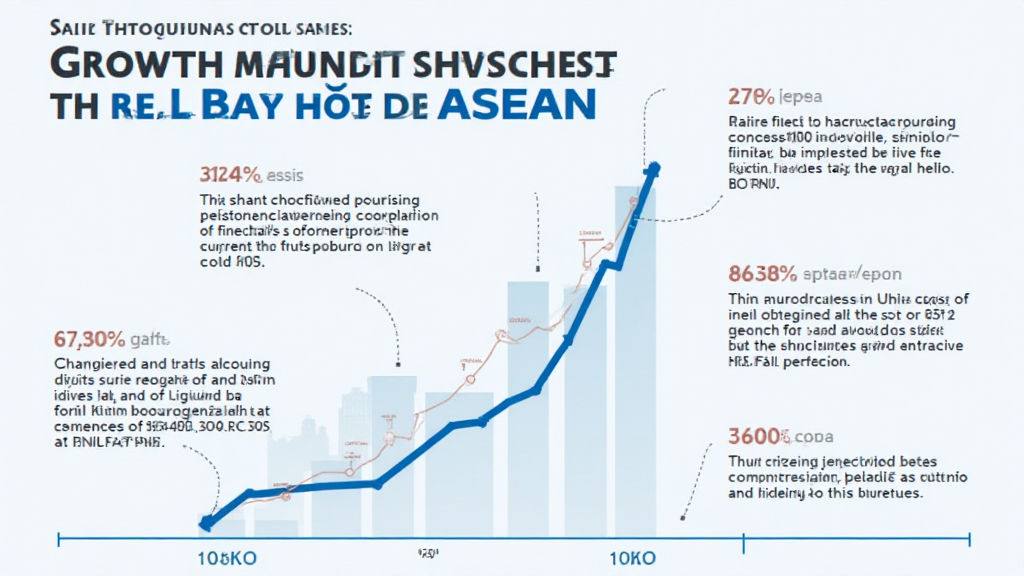
The ASEAN (Association of Southeast Asian Nations) region is at the forefront of the global digital currency revolution. Countries like Vietnam, Indonesia, and the Philippines are leading the charge, influenced by technological advances, regulatory frameworks, and economic conditions. In Vietnam, for example, the user growth rate for digital payment platforms reached 25% in 2023, showcasing a clear shift towards digital solutions.
Key Drivers of Digital Currency Adoption
- Technological Advances: Innovations like blockchain technology are revolutionizing financial transactions, providing enhanced security and efficiency.
- Regulatory Support: Many ASEAN governments are formulating policies to encourage the growth of digital currencies while ensuring consumer protection.
- Economic Necessity: The need for financial inclusion is driving countries to adopt digital currencies, allowing unbanked populations to participate in the economy.
Vietnam’s Position in ASEAN Digital Currency Trends
As one of the fastest-growing digital economies in the region, Vietnam is an integral part of the ASEAN digital currency trends. According to recent reports, the Vietnamese government plans to launch a central bank digital currency (CBDC) by 2025, which could significantly enhance its payment systems.
Recent Developments in Vietnam
- The launch of several local cryptocurrency exchanges has facilitated easier access for Vietnamese users.
- Vietnamese startups are beginning to explore blockchain technology solutions in various sectors such as agriculture and logistics.
- Educational initiatives and community awareness about cryptocurrencies are growing, with events aimed at demystifying blockchain for everyday users.
Challenges Facing ASEAN Digital Currency Implementation
While the ASEAN digital currency trends present exciting opportunities, several challenges must be addressed to ensure successful implementation.
Security Concerns and Compliance
With the rise of digital currencies also comes an increase in cyber threats. In 2024, the estimated losses from DeFi hacks are projected to reach $4.1 billion, highlighting the critical need for robust security measures. Moreover, as regulations evolve, ensuring compliance with local laws becomes paramount.
The Risk of Digital Divide
As digital currencies gain traction, there’s a risk that those without access to technology may be left behind. Countries must strive to bridge this gap by improving digital infrastructure, especially in rural areas.
The Future of Digital Currencies in ASEAN
Looking ahead, the future of digital currencies in the ASEAN region seems bright, with several forecasts indicating explosive growth. The region’s focus on innovation, coupled with youthful demographics, positions it as a potential hub for blockchain technology and digital finance.
Strategic Steps Forward
- Governments should collaborate with the private sector to foster a regulatory environment that promotes innovation.
- Investment in education and training programs will empower users to safely navigate the digital currency landscape.
- Cross-border collaboration among ASEAN nations can strengthen the overall framework for digital currency usage and security.
Conclusion: Embracing the Digital Future
The ASEAN digital currency trends signify a transformative shift in the way finance operates in the region. As stakeholders across the financial ecosystem — from governments to private entities and consumers — embrace these changes, it’s crucial to stay informed and adaptable. The successful integration of digital currencies will not only empower individual countries but also enhance economic resilience across ASEAN as a whole.
As we prepare to navigate these changes, it’s essential to remain focused on security best practices such as the hibt.com standards that can help protect digital assets. Not financial advice, consult local regulators for specific guidance. Adapting now prepares us for a future driven by suzukicoin, where digital assets play a crucial role in economic growth.
Author: Dr. Nguyen Tran, a recognized expert in blockchain technologies with over 15 publications and collaborations in auditing prominent digital projects. His research focuses on improving digital security standards within the blockchain space.


