

Introduction to Crypto Asset Classes
With approximately $4.1 billion lost to DeFi hacks in 2024, understanding the various crypto asset classes has never been more crucial for investors and enthusiasts alike. As our reliance on digital assets grows, so does the need for clarity regarding their classifications, functionalities, and potential risks. This article aims to guide you through the intricate world of crypto asset classes, helping you to make informed decisions in your investment journey.
Understanding Different Crypto Asset Classes
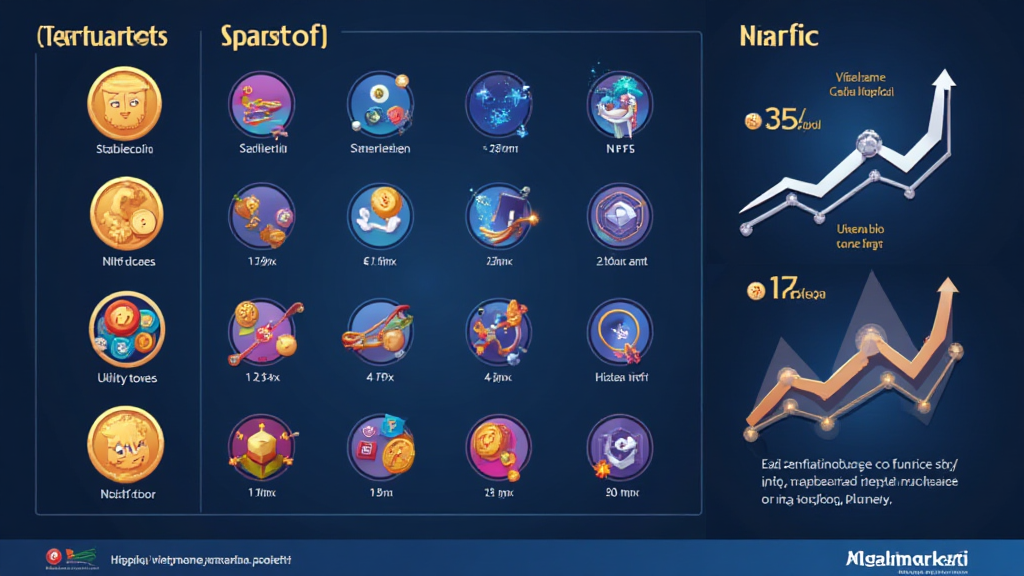
Crypto assets can be categorized into several classes, each with distinct characteristics and use cases. To evaluate their potential, let’s examine the four primary classes:
- Cryptocurrencies: Such as Bitcoin and Ethereum, focus on being a medium of exchange.
- Stablecoins: Like USDC, designed to maintain a stable value pegged to fiat currencies.
- Utility tokens: Tokens like Binance Coin give holders access to services within their respective ecosystems.
- Non-fungible tokens (NFTs): Unique digital assets that represent ownership of specific items or pieces of art.
These classifications allow investors to assess risk, liquidity, and utility—essential factors in making investment decisions.
The Rise of Stablecoins and Their Significance
In recent years, stablecoins have seen significant adoption, especially in markets like Vietnam, where cryptocurrency user growth has soared by over 25% in 2022. As a hybrid between traditional finance and digital currencies, stablecoins offer a buffer against volatility.
For example, in volatile markets, transferring assets into a stablecoin can act like a safe haven. Here’s the catch: If you’re operating in a market with fluctuating local currencies, stablecoins could become your best friend.
Utility Tokens: Bridging the Gap in Blockchain
Utility tokens have emerged as vital components of blockchain ecosystems. Examples include Filecoin and Chainlink. These tokens provide users with access to specific features or services, establishing a unique value proposition.
Consider utility tokens like a membership card giving you access to exclusive features of a luxury club. Investors need to evaluate the underlying protocols and their real-world applications.
Non-fungible Tokens: A New Era of Digital Ownership
Non-fungible tokens have revolutionized the concept of ownership in the digital world. Artists and creators have utilized NTFs to tokenize art, music, and even tweets. This trend opens new revenue streams while providing a transparent ledger of ownership.
A recent report showed that NFT sales reached $10.7 billion in 2023, establishing dim real assets within a decentralized framework. For collectors, these assets represent not just possessions but also a stake in creative futures.
Challenges in the Crypto Landscape
As exciting as crypto asset classes are, they are not without their challenges. Regulatory scrutiny, market volatility, and technology gaps present hurdles that investors and developers must navigate.
Consider a critical challenge: security. Hacks and breaches have been rampant, and users must prioritize secure storage options. For instance, using hardware wallets like the Ledger Nano X can significantly reduce your hacking risk by over 70%.
The Future of Crypto Asset Classes
Looking ahead, the evolution of crypto asset classes will continue. With advancements in blockchain technology, we may soon see innovations that enhance usability, security, and interoperability.
For instance, by 2025, experts predict a surge of interest in economic reforms involving digital assets, especially in regions like Vietnam. This shift invites a broader audience to join the crypto sphere, increasing demand for crypto education and services.
Conclusion
Understanding crypto asset classes is essential for anyone looking to invest or engage in the digital currency landscape. From cryptocurrencies to NFTs, the opportunities are vast yet require due diligence. As we wave into the future, staying informed and adaptable will help you navigate the challenges and seize the potential profits.
Remember, this isn’t financial advice — always consult local regulations and seek professional guidance before diving in.
For further insights into crypto risks and investment strategies, consider exploring our how to audit smart contracts or check out our Vietnam crypto tax guide. Discover how Suzukicoin can help you manage your crypto investments proficiently.
Author: Dr. Emily Tran, Blockchain Technologist with over 15 published papers in the field and a lead auditor for multiple high-profile blockchain projects.


