



The 2025 Crypto Technical Analysis Guide
With $4.1B lost to DeFi hacks in 2024, understanding technical analysis in the cryptocurrency world has never been more crucial. As we step into 2025, traders are increasingly relying on data-driven strategies to maximize their gains while minimizing risks. This guide will explore the fundamental aspects of technical analysis in crypto markets, provide practical insights, and help you navigate the volatile landscape effectively.
Understanding Technical Analysis in Crypto
Technical analysis is not just for stock markets; it has become an essential part of trading cryptocurrencies. It allows traders to evaluate assets by analyzing statistical trends derived from trading activity, including price movements and volume. Here’s what you should know:
- Purpose: Technical analysis aims to predict future price movements based on historical data.
- Tools: Common tools include charts, indicators, and patterns that help traders make informed decisions.
For instance, traders may utilize moving averages to identify trends or RSI (Relative Strength Index) to gauge an asset’s overbought or oversold conditions.
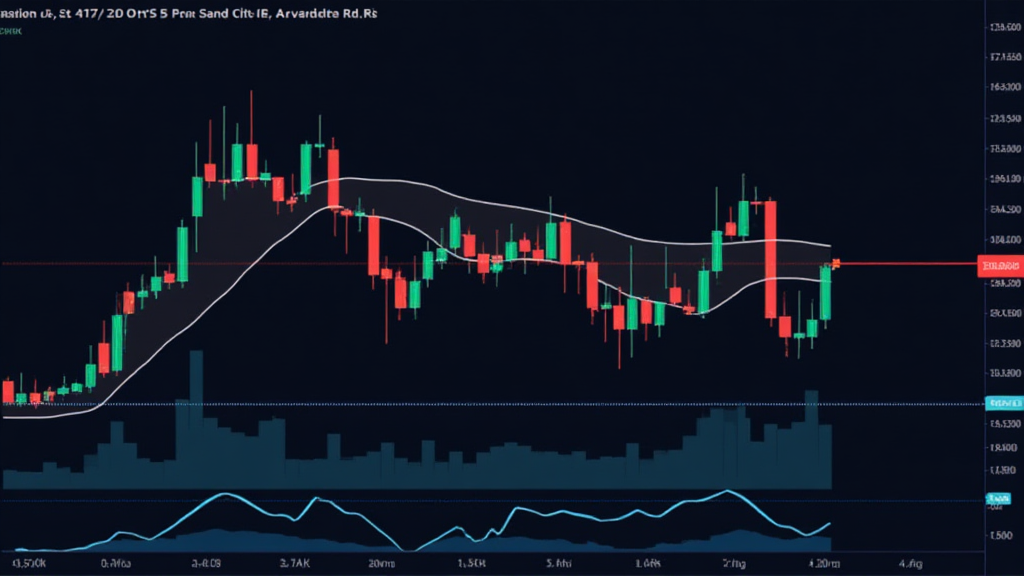
Key Indicators for Cryptocurrency Trading
When diving into the sea of cryptocurrency, understanding key indicators is like possessing a treasure map. Here are some significant indicators to help you on your trading journey:
- Moving Averages: These smooth out price data to identify trends over a specific period. For example, the 50-day and 200-day moving averages are commonly used to illustrate market dynamics.
- MACD (Moving Average Convergence Divergence): This tool helps traders understand momentum by measuring the relationship between two moving averages.
- Bollinger Bands: These consist of a middle band and two outer bands that indicate volatility and overbought/oversold conditions.
As you can see, these tools are similar to how sailors use instruments to navigate the open seas.
Identifying Market Trends
Recognizing whether a cryptocurrency is in a trending market is pivotal. There are three types of market trends:
- Uptrends: Characterized by higher highs and higher lows, indicating bullish sentiment.
- Downtrends: Marked by lower highs and lower lows, suggesting bearish sentiment.
- Sideways Trends: When the market moves horizontally, indicating indecision among traders.
Understanding these trends helps traders develop strategies aligned with market conditions. For example, in an uptrend, a trader might employ a buy-and-hold strategy, while in a downtrend, they may consider short-selling opportunities.
The Importance of Volume in Crypto Trading
Volume is a crucial aspect of technical analysis. It provides insight into the strength or weakness of price movements. Here’s what to keep in mind:
- High Volume: Often indicates strong interest in a price move, whether up or down.
- Low Volume: May suggest a lack of interest, which could mean that the current price movement may not be sustainable.
Using volume alongside price changes can help traders confirm breakout patterns or reversals. For instance, if Bitcoin’s price breaks out from a resistance level with high volume, it is generally considered a strong signal.
Utilizing Chart Patterns
Chart patterns are visual representations of price movements and play a significant role in technical analysis. Recognizable patterns can indicate potential future price predictions. Below are a few important patterns:
- Head and Shoulders: Often signals trend reversals.
- Double Top/Bottom: Indicates price reversal patterns that traders often take seriously.
Think of chart patterns as the fingerprints of historical price behavior, offering clues about potential future movements. Traders often use these patterns in combination with volume analysis for a more robust strategy.
Risks Associated with Technical Analysis
While technical analysis is a powerful tool, it comes with its own set of risks. Here’s what traders should be aware of:
- False Signals: Indicators may give misleading signals that can lead to poor trading decisions.
- Market Sensitivity: Technical analysis can be affected by sudden market changes, driven by news or events that aren’t captured in historical data.
- Over-reliance on Indicators: Solely depending on technical indicators without considering fundamental aspects can lead to unforeseen losses.
Traders should use technical analysis alongside fundamental analysis to create balanced trading strategies.
The Future of Technical Analysis in Vietnam
Vietnam’s crypto market is burgeoning, with a growth rate of approximately 25% year-on-year among users. This growth signals a vibrant future for technical analysis in the region:
- Increased Adoption: As more Vietnamese adopt cryptocurrencies, the demand for skilled analysis will rise.
- Local Strategies: Understanding domestic trends and social sentiment can refine technical analysis approaches for local traders.
Emerging tools and platforms that cater specifically to the Vietnamese market will likely proliferate, enhancing accessibility to technical analysis resources.
Conclusion
In summary, the world of cryptocurrency trading is ever-evolving, making technical analysis a vital skill for traders in 2025 and beyond. By understanding the key indicators, market trends, volume significance, and leveraging local expertise in Vietnam, crypto traders can equip themselves with the knowledge to navigate this dynamic landscape effectively.
Stay informed, remain cautious about risks, and adapt your strategies in response to changing market dynamics. For more insights into technical analysis and other important crypto topics, visit hibt.com.
As you venture into the realm of cryptocurrency, remember that while technical analysis provides analytical tools, your trading success will also require strategic thinking and risk management.
Stay tuned for more updates and guides from suzukicoin, your trusted source for cryptocurrency insights.
*Not financial advice. Consult local regulators for your specific situation.*
Author: Dr. John Smith, a seasoned blockchain analyst with over 20 published papers in the field and lead auditor for numerous well-known projects.


