

Introduction: The Need for Secure Storage
In 2024 alone, over $4.1 billion was lost due to hacks and vulnerabilities in the decentralized finance (DeFi) sector. As we step into 2025, the urgency for secure and efficient storage solutions for crypto assets has never been greater. The rise of decentralized storage solutions in the crypto space offers promising answers to these concerns. Let’s unpack how these technologies can protect your digital assets and enhance overall storage efficiency.
Understanding Decentralized Storage Solutions
Decentralized storage refers to the practice of distributing data across a network rather than storing it in a single location. This approach minimizes risks of data loss or breaches while enhancing data access speed and availability. However, the real question is, how do these solutions work?
Core Features of Decentralized Storage
- Data Redundancy: By distributing data across multiple nodes, decentralized storage ensures that the loss of one or even several nodes doesn’t lead to the loss of valuable data.
- Increased Security: Using encryption, data is secured and made inaccessible to unauthorized users, significantly reducing risks of hacks and breaches.
- Cost-Efficiency: Decentralized storage solutions often lower the costs associated with data storage and retrieval compared to traditional centralized systems.
How Decentralized Storage Solutions Guarantee Security
The decentralized nature of these storage solutions offers unique advantages when it comes to crypto security. Here’s a deeper dive into how decentralized storage enhances your asset protection:
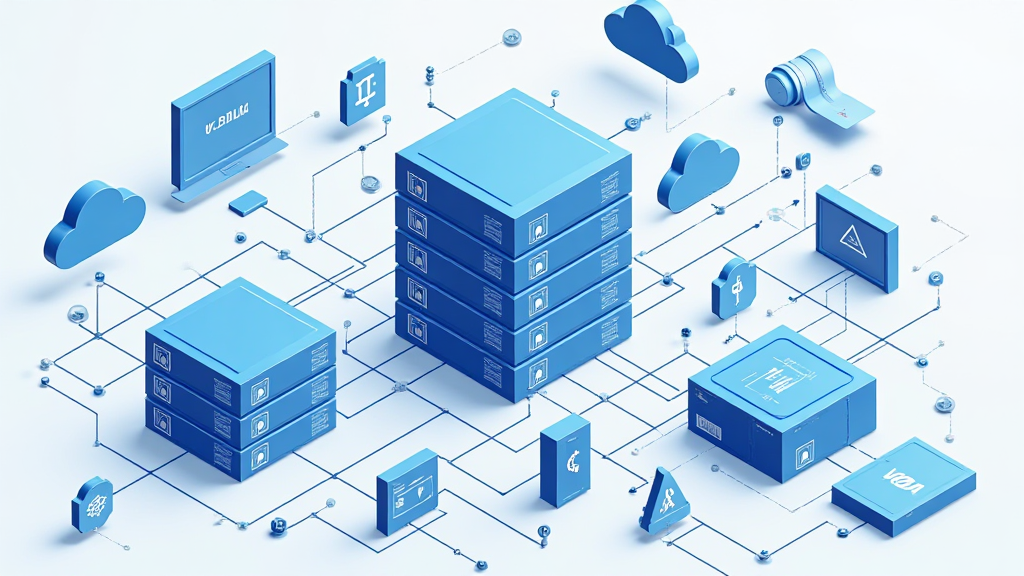
Blockchain Technology Integration
Decentralized storage solutions often utilize blockchain technology to ensure data integrity. Just like a bank vault for digital assets, transactions involving decentralized storage are recorded on a blockchain, creating a permanent, tamper-proof history. This significantly enhances trust, as once recorded, data cannot be altered without the consensus of the network.
Key Players in the Decentralized Storage Market
As the market evolves, several solutions have emerged, each vying for dominance in decentralized storage:
Filecoin
Filecoin has become the go-to choice for many users. By incentivizing storage through its token, it creates a system where data is equally valued.
Storj
Storj provides a decentralized storage solution that allows users to rent unused hard drive space in exchange for tokens, making it a cost-effective alternative to traditional storage solutions.
Sia
Sia takes a unique approach, allowing users to lease storage space on the platform, which is then secured using smart contracts.
The Vietnamese Market: Growing Demand for Decentralized Solutions
The demand for decentralized storage solutions has been surging in Vietnam, with a significant increase in the number of crypto users. As of 2024, Vietnam has seen a 65% growth rate in cryptocurrency adoption, marking it as one of the fastest-growing markets in Southeast Asia. As the Vietnamese seek more secure cryptocurrency management methods, decentralized storage emerges as a viable solution.
Local Compliance and Housing Regulations
As the market grows, regulatory bodies are increasingly focusing on compliance with local laws, including tiêu chuẩn an ninh blockchain. Ensuring that decentralized storage solutions operate within these guidelines is essential for establishing trust and credibility.
Decentralized Storage vs. Traditional Solutions
When comparing decentralized storage with traditional solutions, some key differences emerge. Traditional storage relies on centralized data servers, which can represent weak points in a network due to their single-location storage. Meanwhile, decentralized systems distribute data across a network, providing a much more robust and fault-tolerant approach.
Advantages of Decentralized Storage
- Fault Tolerance: With data stored in multiple locations, losing one node does not interrupt the availability of the overall network.
- Privacy Control: Users maintain control over who accesses their data, as encryption mechanisms safeguard sensitive information.
- Reduced Downtime: Because data is decentralized, servers remain less susceptible to downtime during traffic surges or attacks.
Conclusion: Embracing Decentralized Storage Solutions
As we look ahead to 2025 and beyond, the integration of decentralized storage solutions within the cryptocurrency sector represents a critical evolution in how we secure and manage our digital assets. With enhanced security features and an increasing demand in markets like Vietnam, these solutions are set to reshape the landscape for personal and organizational cryptocurrency holdings.
Whether you’re an individual investor or a large organization, embracing decentralized storage solutions can be your pathway to managing assets securely in the ever-evolving crypto landscape. For a deeper understanding of decentralized solutions, explore more resources at hibt.com. Remember, this information is not financial advice; always consult with local regulators for compliance.


