

Green Blockchain Initiatives SEA: Paving the Way for Sustainable Digital Future
With a staggering 4.1 billion dollars lost in hacks across decentralized finance (DeFi) in 2024 alone, the importance of developing secure and sustainable blockchain initiatives has never been more critical. As digital assets continue to grow, not just in volume but also in significance across markets, particularly in Southeast Asia (SEA), we must address the pressing need for green blockchain initiatives in this vibrant region. By combining environmental responsibility with innovative technology, we open pathways to a sustainable digital future.
Understanding Green Blockchain Initiatives
In recent years, the term “green blockchain” has gained traction. It refers to blockchain technologies designed to minimize their environmental impact while maximizing efficiency. The push for sustainable practices in the blockchain ecosystem is vital, especially given that traditional blockchain energy consumption is becoming a larger part of the global energy narrative.
- According to a recent study, Bitcoin mining alone consumes more than 70 TWh of energy annually.
- At current rates, if left unchecked, blockchain technologies could contribute to significant greenhouse gas emissions, which is counterintuitive to global efforts toward sustainability.
Green blockchain initiatives mandate that we rethink how we employ blockchain technology in new projects. As the demand for greener technologies rises, Southeast Asia stands at the forefront of these innovative changes.
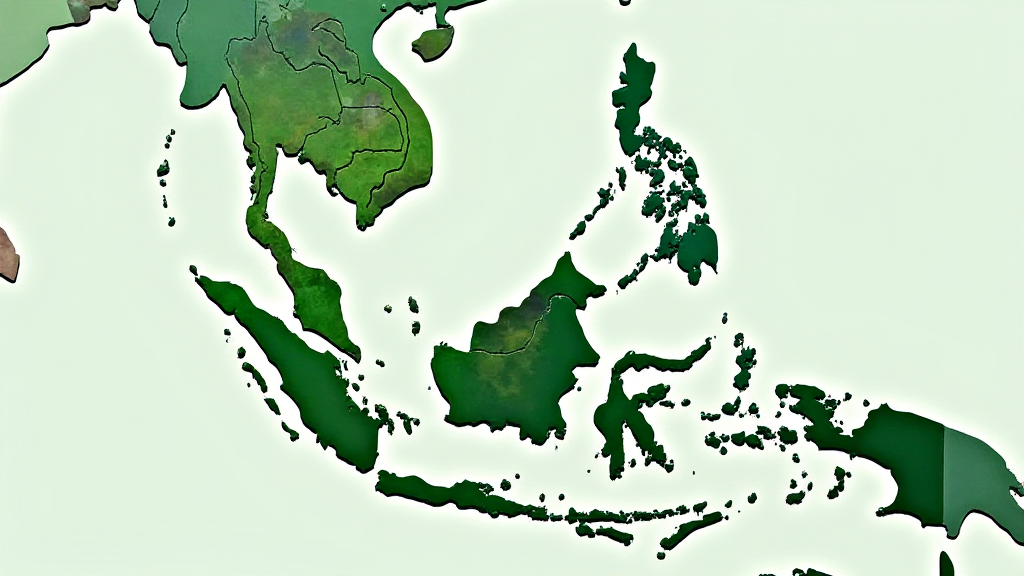
The Current State of Blockchain in Southeast Asia
The blockchain ecosystem in Southeast Asia has been blooming over the last couple of years. Countries like Vietnam, Singapore, and Malaysia have been progressively adapting to the trends:
- Vietnam: With a 23% growth rate in cryptocurrency adoption in 2023 alone, Vietnam is one of the fastest-growing markets for blockchain technology.
- Singapore: Renowned for its regulatory framework, Singapore’s focus on sustainable technologies offers a friendly environment for green initiatives.
This rapid growth calls for the development of sustainable practices to harness the full potential while reducing the carbon footprint.
Common Green Blockchain Initiatives in the Region
Efforts to create and adopt greener blockchain practices are on the rise throughout SEA. Here are a few prevalent initiatives being pursued across the region:
- Proof of Stake (PoS) Adoption: Unlike Proof of Work (PoW), PoS significantly reduces energy consumption by assigning the right to validate transactions based on the number of coins held.
- Carbon Credits on Blockchain: Initiatives led by companies in Singapore utilize blockchain to track carbon credits transparently.
- Renewable Energy Utilization: Many blockchain startups are implementing systems that source energy from renewable resources for their operations.
These practices not only align with environmental sustainability but enhance operational efficiency and promote local economies.
Challenges Facing Green Blockchain Initiatives
Despite the promising developments, several challenges remain when implementing green blockchain initiatives:
- Interoperability: Different blockchain networks often struggle to communicate effectively, leading to inefficiencies.
- Regulatory Compliance: Navigating regulations across various Southeast Asian nations can be complex.
- Public Awareness: Educating stakeholders on the importance and benefits of sustainable practices remains crucial.
Addressing these issues requires collaboration between governments, corporations, and educational institutions.
Future Directions for Green Blockchain Initiatives in SEA
The outlook for green blockchain initiatives in Southeast Asia is optimistic. Here’s what to expect:
- Increased Investment: As more venture capitalists recognize the potential of sustainable projects, funding for green blockchain technologies is expected to grow significantly.
- Government Support: More policies encouraging the adoption of green tech in blockchain can catalyze rapid advancements.
- Community Initiatives: More grassroots movements focusing on education and awareness will empower local communities.
These developments reaffirm the commitment of SEA towards a sustainable digital economy.
Conclusion
The future of blockchain in Southeast Asia doesn’t just rest upon how much data can be transacted or how secure a system is. It encompasses the broader narrative of energy consumption and environmental responsibility. By embracing and promoting green blockchain initiatives, SEA can pave the way for a sustainable digital future that not only drives innovation but does so responsibly. This evolution is crucial as we look forward to the next wave of digital transformation influencing both local and global scales.
In the age of digital assets, platforms like suzukicoin are bound to lead the charge for greener technologies, fostering growth while prioritizing sustainability.
Author: Dr. Thanh Nguyen, an expert in blockchain technology and sustainability with over 15 published papers and a lead auditor for several major blockchain projects.


