

Understanding Blockchain Technology: Your Guide to Secure Digital Assets
With a staggering $4.1B lost to DeFi hacks in 2024, understanding blockchain technology is more crucial than ever, especially for investors and crypto enthusiasts alike. The rapid expansion of the cryptocurrency market underlines the importance of being well-informed about blockchain efficiencies and vulnerabilities that could potentially jeopardize your digital investments.
This article provides a thorough examination of blockchain technology, guiding you through its functionalities, frameworks, and the importance of security standards, especially in the Vietnamese market, where user growth is accelerating.
What is Blockchain Technology?
At its core, blockchain technology is a decentralized digital ledger that records transactions across many computers. This decentralization ensures that the record is immutable and secure, providing transparency and trust—a bit like how a bank vault keeps money safe yet accessible.
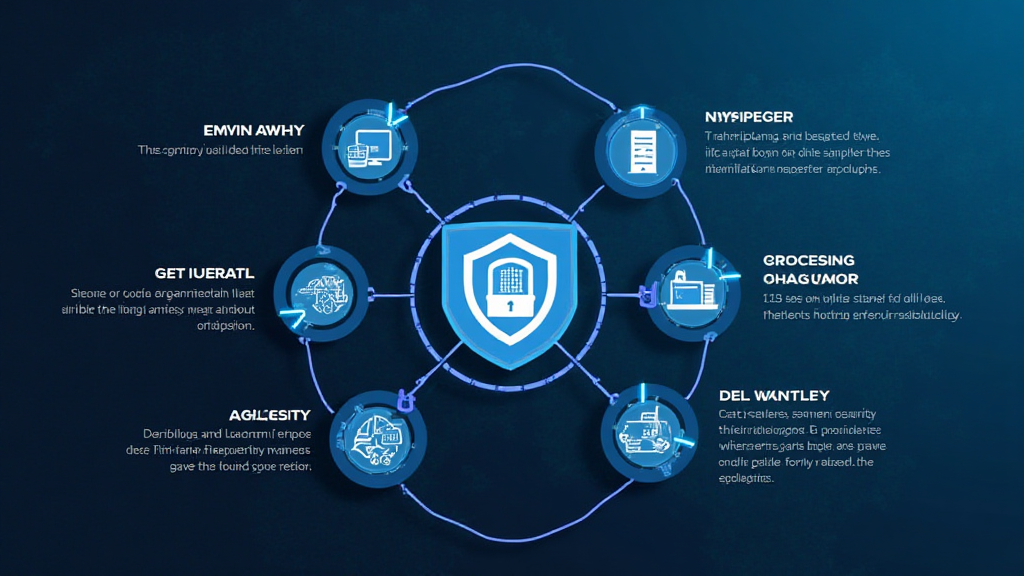
- Decentralization: Unlike traditional databases, blockchain does not require a central authority.
- Immutability: Once data is recorded, it cannot be changed without consensus.
- Transparency: All transactions are visible to participants, promoting trust.
Key Components of Blockchain Technology
To fully grasp understanding blockchain technology, it’s essential to recognize the key components:
- Blocks: Each block contains transaction data, a timestamp, and a cryptographic hash of the previous block.
- Nodes: These are computers that maintain the network and validate transactions.
- Consensus Mechanism: This refers to how all participants agree on the validity of transactions.
- Smart Contracts: Self-executing contracts with the terms of the agreement directly written into code.
Consensus Mechanisms Explained
Understanding how transactions are validated on the blockchain is crucial for your safety. Consensus mechanisms ensure that all participants agree on the network status. Let’s break down some popular consensus algorithms:
- Proof of Work (PoW): Used by Bitcoin, requiring computational power to validate transactions.
- Proof of Stake (PoS): Used by Ethereum 2.0, where validators are chosen to create new blocks based on the amount they ‘stake.’
- Delegated Proof of Stake (DPoS): Allows stakeholders to vote for delegates, ensuring efficiency and scalability.
Vulnerabilities Within Consensus Mechanisms
As robust as these mechanisms are, they still pose vulnerabilities. Here’s how:
- 51% Attack: If a single entity controls more than 50% of the network’s mining power, they can manipulate transactions.
- Sybil Attack: Malicious nodes can create multiple identities to gain influence over the network.
The Importance of Security Standards in Blockchain
In 2025, the escalating pressure for compliance has led to the establishment of stricter security standards as many hacks continue to threaten the integrity of blockchain. Understanding blockchain technology also means grasping these new standards. For instance, the tiêu chuẩn an ninh blockchain (blockchain security standards) requires:
- Regular Audits: Continuous examination of smart contracts and protocols.
- Data Encryption: Protect sensitive data across the ledger.
- Incident Response Plans: Preparedness for potential security threats.
Real-World Applications of Blockchain Technology
Beyond cryptocurrencies, several industries are adopting blockchain technology:
- Finance: Banks are utilizing blockchain for faster transactions and lower fees.
- Supply Chain: Companies are tracking products, ensuring transparency from production to delivery.
- Healthcare: Secure sharing of medical records across different providers.
Overview of Vietnamese Blockchain Market Growth
In Vietnam, the adoption of blockchain technology is skyrocketing, driven by a young, tech-savvy population and increasing governmental support. As of 2024, the Vietnamese blockchain user growth rate stood at an impressive 25%. This trend emphasizes the necessity for local investors and businesses to understand blockchain technology and its implications.
How to Audit Smart Contracts
A vital aspect of maintaining security in blockchain technology is smart contract auditing. Here’s how to do it:
- Set up a test environment to safely deploy the smart contract.
- Use automated tools to scan for vulnerabilities.
- Conduct manual reviews with expert auditors.
Effective auditing can significantly reduce the risk associated with smart contracts, ensuring that they perform as intended.
Conclusion: Embrace Blockchain Technology for Security
Understanding blockchain technology is no longer optional—it’s essential. As we remain vigilant against threats that could undermine this revolutionary technology, we encourage you to explore tools and resources that reinforce your security and knowledge. As you dive deeper into this fascinating world, remember that education is your best defense.
From the perspective of the evolving Vietnamese market and the broader global landscape, the continual shift towards blockchain innovation is promising. Stay informed, stay safe, and take an active role in securing your digital assets.
For further insights into crypto investments and security measures, check out resources available on hibt.com. Join the conversation on how to protect your digital wealth, and remember to access our comprehensive data on crypto regulations in Vietnam.
As always, remember that this article is not financial advice and consult local regulators for any investment decisions.
Written by Dr. Mary Nguyen, a blockchain security expert with over 10 published papers in leading journals, specializing in auditing high-profile cryptocurrency projects.


