

Global Stablecoin Regulations: Navigating the Future of Digital Currency
With over $4.1 billion lost to DeFi hacks in 2024, the cryptocurrency landscape is evolving rapidly. Stablecoins have emerged as fundamental components of this financial ecosystem, offering a semblance of stability amidst volatility. However, the growing prominence of stablecoins has prompted governments worldwide to evaluate and implement regulations. This article aims to explore the complexities of stablecoin regulations globally and their implications for the crypto industry.
Understanding Stablecoins
Stablecoins are digital currencies designed to maintain a stable value by pegging them to a reserve of assets, typically fiat currencies like the US dollar. Unlike traditional cryptocurrencies like Bitcoin, stablecoins provide traders and investors with a reliable means of transaction, especially in the volatile crypto market. Just as Vietnamese users have increased interest in digital currencies, the country has also experienced a rise in stablecoin adoption, enhancing transaction efficiency and stability.
Why Are Stablecoin Regulations Important?
- Consumer Protection: Regulations help protect users from fraud and financial losses.
- Market Integrity: Ensuring that stablecoins maintain their promised value can prevent market manipulation.
- Financial Stability: Regulating stablecoins contributes to the overall stability of the financial system.
Global Regulatory Landscape
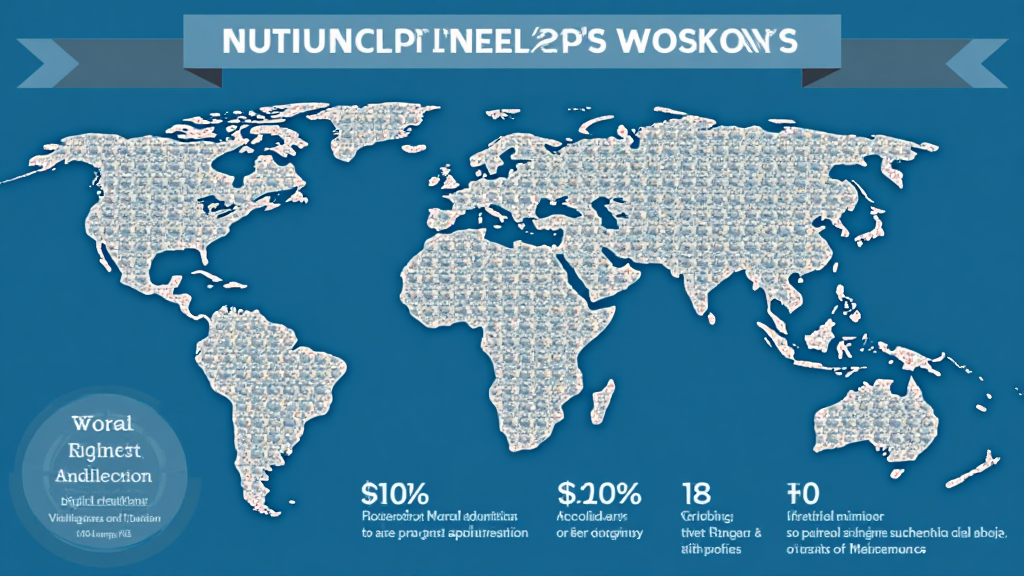
The regulatory framework for stablecoins differs significantly across countries. Here’s a snapshot of how various regions are approaching the issue:
United States
In the U.S., regulatory bodies like the Commodity Futures Trading Commission (CFTC) and Financial Crimes Enforcement Network (FinCEN) are actively developing policies for stablecoins. The President’s Working Group on Financial Markets released a report in 2021 emphasizing that stablecoin issuers should be regulated like banks. This recommendation highlights the push towards a more secure and structured environment for digital assets.
European Union
The EU has taken a proactive stance with the Markets in Crypto-Assets (MiCA) regulation, which aims to create a comprehensive framework for all crypto-assets, including stablecoins. MiCA seeks to ensure high standards of consumer and investor protection while fostering innovation within the sector.
Asia-Pacific Region
Countries in the Asia-Pacific region exhibit varied approaches. In Japan, the Financial Services Agency has established a regulatory framework for stablecoins, while countries like Vietnam are still in the early stages of developing regulations. According to recent data, Vietnam’s cryptocurrency user growth rate exceeds 35%, driving discussions on the need for clear and effective regulatory measures.
Key Considerations for Businesses and Investors
- Compliance Risks: Businesses must stay informed about the evolving regulatory landscape to avoid legal repercussions.
- Technological Adaptation: Companies need to integrate robust technologies to comply with regulatory standards.
- Investment Risks: Investors should assess the regulatory environment of stablecoins before making investment decisions.
The Future of Stablecoin Regulations
As we look to the future, several trends are emerging in the realm of stablecoin regulations:
- Increased Collaboration: Countries are beginning to collaborate globally to create uniform regulations that address the challenges posed by stablecoins.
- Focus on Privacy: Regulations may also focus on balancing stability with the need for user privacy.
- Technological Innovations: Blockchain technology is evolving, and regulatory bodies must adapt to these changes to ensure effective oversight.
In conclusion, while the world of stablecoin regulations is complex and constantly evolving, it offers a pathway for greater stability and consumer protection within the cryptocurrency market. With a growing user base in regions like Vietnam, it is crucial for investors and businesses to navigate these regulations effectively. As they do so, platforms such as suzukicoin can provide the necessary tools and resources for compliance and investment decisions.
Although the regulatory environment may shift, staying informed about global stablecoin regulations will prove invaluable for anyone engaged in the cryptocurrency space.
Written by Dr. Alex Nguyen, a renowned expert in blockchain technologies with experience conducting over 30 audits on various prominent crypto projects.


