

Liquidity Staking Derivatives: The Future of Crypto Investment
With billions lost in decentralized finance (DeFi) hacks, the crypto community is seeking safer investment methods. Liquidity staking derivatives emerge as a promising solution, transforming the landscape of digital assets. In this article, we explore what liquidity staking derivatives are, their benefits, and how they may reshape the future of cryptocurrency investments.
Understanding Liquidity Staking Derivatives
Liquidity staking derivatives are financial instruments that allow users to earn rewards on their staked assets while retaining liquidity. This concept is akin to having a secure vault for funds, yet still being able to access them anytime—an enticing proposition for investors.
How Liquidity Staking Works
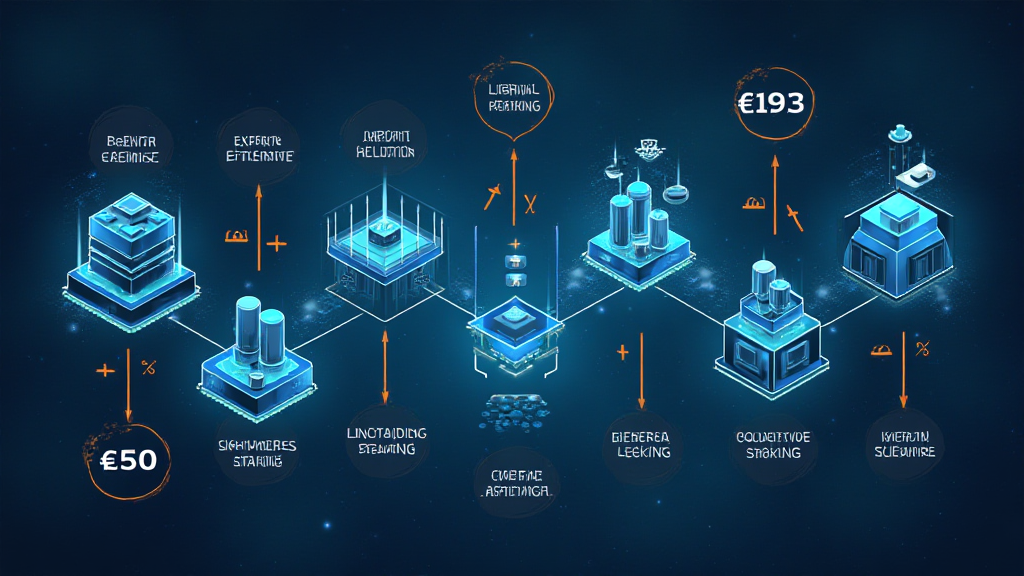
ong>Staking: ong> Users lock their cryptocurrencies in a staking protocol to support network operations.ong>Liquidity Derivatives: ong> After staking, users receive derivatives that represent their staked assets, which can be traded or used in DeFi protocols.ong>Rewards: ong> Users earn staking rewards while maintaining the ability to liquidate their derivatives, increasing capital efficiency.
The Benefits of Liquidity Staking Derivatives
Liquidity staking derivatives offer numerous advantages that can appeal to both seasoned investors and newcomers. Here are several key benefits:
1. Enhanced Capital Efficiency
By allowing stakers to trade derivatives representing their staked assets, liquidity staking significantly enhances capital efficiency. Investors can earn staking rewards without sacrificing liquidity. For instance, in Vietnam, the crypto market has seen an increase from 1.3 million to 5 million users in just one year, showcasing the rising interest in flexible investment options.
2. Risk Management
Investors can manage risks better with liquidity staking derivatives. They can hold assets in a staked position for rewards while having the flexibility to sell derivatives if market conditions change significantly. This adaptability helps mitigate potential losses.
3. Passive Income Generation
Staking derivatives allow users to generate passive income while still participating in trading activities. By staking their assets, investors can earn rewards passively—similar to earning interest in a savings account—while having liquidity through the derivatives they receive.
Potential Drawbacks and Considerations
While liquidity staking derivatives offer multiple benefits, there are also potential drawbacks to consider:
1. Market Volatility
Despite the liquidity advantages, the underlying assets may still be subject to market volatility. Investors should remain cautious, as the value of derivatives may fluctuate dramatically.
2. Complexity in Understanding
New investors may find liquidity staking derivatives complex. Understanding the mechanisms behind staking and derivatives is critical for informed decision-making.
Future Trends in Liquidity Staking Derivatives
As the cryptocurrency landscape evolves, liquidity staking derivatives are expected to play a significant role in shaping investment strategies:
1. Institutional Adoption
With the dawn of 2025, institutional investors are likely to adopt liquidity staking derivatives more frequently. As they seek ways to optimize asset management, derivatives could provide tailored risk profiles.
2. Growing DeFi Integration
We anticipate increased integration of liquidity staking derivatives with decentralized finance protocols. Platforms like Uniswap and Aave may find innovative uses for these derivatives to enhance user experience and efficiency.
3. Regulatory Considerations
As liquidity staking derivatives grow, regulatory considerations will also emerge. These products must comply with local laws and guidelines—such considerations will influence how these derivatives are developed and adopted across markets like Vietnam.
Practical Applications of Liquidity Staking Derivatives
Real-world applications of liquidity staking derivatives illustrate their significance:
1. Cross-Chain Liquidity Provision
These derivatives can facilitate cross-chain interactions by allowing stakers to earn yield from multiple blockchains simultaneously, enhancing overall liquidity in the crypto ecosystem.
2. Algorithmic Trading Strategies
Traders can implement algorithmic strategies using liquidity staking derivatives, optimizing entry and exit points while managing risks effectively. This approach can lead to increased profits in volatile markets.
Conclusion
As we progress into 2025, liquidity staking derivatives will undoubtedly shape the future of cryptocurrency investment strategies. Their potential for enhanced capital efficiency and passive income generation makes them attractive to a growing number of investors who seek both safety and flexibility in their portfolios. With the Vietnam blockchain market continuously expanding and the integration of liquidity staking derivatives into mainstream platforms, these tools could redefine how we approach digital asset investment. For those interested in maximizing their crypto portfolios, exploring liquidity staking derivatives could be a strategic move.
Final Thoughts
Remember, while liquidity staking derivatives offer exciting opportunities, they also come with risks. Make sure to conduct thorough research or consult with financial advisors when navigating this complex landscape.
For more insights into cryptocurrency strategies, visit Suzukicoin.
Author:


