



Regional Stablecoin Initiatives in ASEAN: A Deep Dive
With the rapid development of blockchain technology, the concept of stablecoins has gained considerable traction in the ASEAN region. The potential to bridge traditional finance and the cryptocurrency world is immense. As countries within this region explore their stablecoin initiatives, understanding the implications for businesses and consumers becomes vital.
Understanding Stablecoins and Their Importance
Stablecoins represent a digital currency backed by assets such as fiat currency or commodities. This backing mechanism seeks to minimize the volatility common in other cryptocurrencies. For instance, Tether (USDT) and USD Coin (USDC) are examples of popular stablecoins. In the context of ASEAN, stablecoins could facilitate cross-border transactions, making them more efficient and affordable. In Vietnam, users have experienced a considerable increase in crypto adoption, with a recent 64% growth rate in the past year, indicating a strong demand for stable financial instruments.
Current Developments in ASEAN Stablecoin Initiatives
Countries in ASEAN are taking various approaches towards the adoption of stablecoins. Let’s look at notable initiatives:
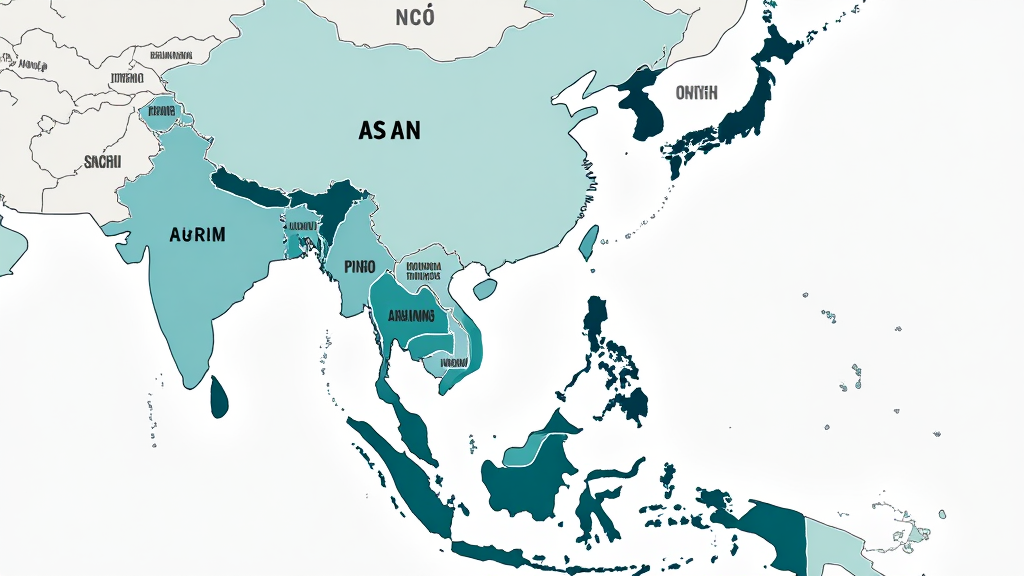
- Singapore: As a leading financial hub, Singapore’s Monetary Authority is exploring the introduction of a central bank digital currency (CBDC).
- Thailand: The Bank of Thailand has expressed interest in implementing digital currencies that can facilitate government accountability and improve transactions.
- Vietnam: Recent reports show that the Vietnamese government is assessing how blockchain technology can enhance financial security (tiêu chuẩn an ninh blockchain).
The Role of Blockchain in Stablecoin Initiatives
Blockchain technology is essential for the transparency and security of stablecoins. By using decentralized ledgers, users can track every transaction, thus ensuring funds are safeguarded against fraud. For instance, a stablecoin’s smart contract can automatically execute when certain conditions are met. This serves as a “bank vault” for digital assets, ensuring that backing assets are efficiently managed. This is particularly crucial in the ASEAN market, where transparency is a key demand among consumers.
Data-Driven Insights
Recent industry reports indicate that the global stablecoin market has significantly expanded, with predictions estimating a market size of approximately $2 trillion by 2025. Within ASEAN, the increasing prevalence of mobile payment systems corresponds with the rising ubiquity of stablecoins.

Potential Challenges and Considerations
Despite the promising outlook, there are notable challenges faced by ASEAN countries regarding the implementation of stablecoins:
- Regulatory Framework: Governments must establish regulations that bridge innovation with consumer protection.
- Technological Compatibility: Integrating stablecoins within existing financial systems may require substantial investment in technology.
- Public Trust: Consumer education is crucial as many individuals still view cryptocurrencies with skepticism.
Future Outlook for Stablecoins in ASEAN
As more companies and consumers embrace digital finance, the need for stablecoins in the ASEAN region continues to grow. Tapping into the diverse markets across ASEAN may enhance economic growth. Collaborative efforts among governments, financial institutions, and tech companies present potential solutions to elevate stablecoin projects.
Long-Tail Keywords and Their Significance
As we look ahead, understanding essential aspects such as how to audit smart contracts becomes vital for fostering security in stablecoin projects. Additionally, discerning the most promising cryptocurrencies in the upcoming years, such as 2025’s most potential altcoins, will play an essential role in shaping investment strategies across the region.
Conclusion: The Path Forward for ASEAN’s Stablecoin Initiatives
Regional stablecoin initiatives in ASEAN stand to transform the digital finance landscape, allowing for enhanced stability, security, and regulatory alignment. As stakeholders navigate this ecosystem, staying informed will not only optimize individual participation but also shape the future economic policies across the region.
In summary, ASEAN’s movement towards integrating stablecoins highlights both opportunities and challenges in leveraging this new financial frontier. Companies like suzukicoin exemplify those who are actively contributing to a secure and efficient digital finance environment.
Written by Dr. Laura Nguyen, a blockchain researcher with over 15 published papers in decentralized finance and compliance. Dr. Nguyen has led audits on notable blockchain projects and is a well-respected voice in the Southeast Asian cryptocurrency landscape.


