



Risk Management in Crypto Trading: Essential Strategies for Success
In the rapidly evolving landscape of cryptocurrency trading, managing risks effectively is paramount. With $4.1 billion lost to DeFi hacks in 2024, the need for robust risk management strategies has never been more critical. In this guide, we will explore the key components necessary for effective risk management in crypto trading, ensuring that your assets remain secure while maximizing potential returns.
Understanding the Importance of Risk Management
Risk management in crypto trading plays a crucial role. It’s not just about minimizing losses; it’s about creating a sustainable trading strategy that protects your assets. Just like securing a bank vault, employing effective risk management techniques enables traders to safeguard their digital currencies against market volatility and potential security breaches.
Key Risk Factors in Crypto Trading
- Market Volatility: The crypto market is notorious for extreme price swings, which can lead to significant profits or losses within a short timeframe.
- Liquidity Risk: Some cryptocurrencies may not have enough trading volume, making it hard to execute trades at desired prices.
- Regulatory Risks: Changes in laws and regulations can impact the legality of certain cryptocurrencies significantly.
- Cybersecurity Threats: Hacks and scams are rampant; securing wallets and exchanges is vital.
Essential Strategies for Effective Risk Management
Implementing a solid strategy is essential for mitigating risks. Here are some pivotal strategies to consider:
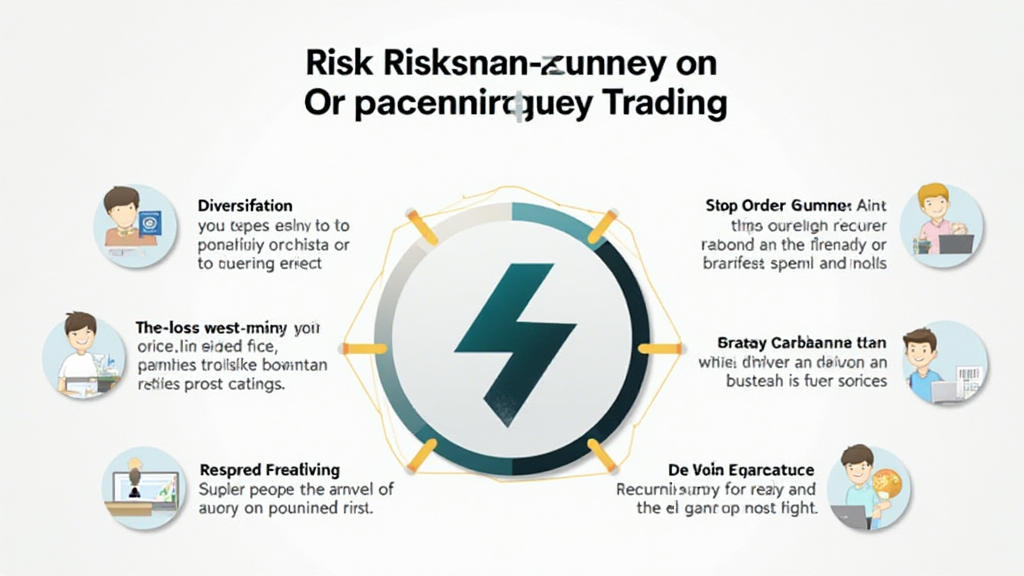
1. Diversification of Portfolio
Diversifying your portfolio by investing in multiple cryptocurrencies can reduce risk. Just as spreading investments across different asset classes can protect your wealth, allocating funds across various cryptocurrencies can cushion against market volatility.
- Consider all market caps: Invest in large-cap, mid-cap, and small-cap cryptocurrencies.
- Explore stablecoins: Stablecoins can act as a refuge during market downturns.
- Monitor evolving trends: Stay updated on emerging projects like NFTs and decentralized finance (DeFi).
2. Use of Stop-Loss Orders
In crypto trading, a stop-loss order allows traders to automatically sell a cryptocurrency when it reaches a specified price. This tool helps limit potential losses from an unfavorable price move.
- Set realistic stop-loss levels: Analyze the market and set your stop-loss threshold at levels that reflect both your risk tolerance and market fluctuations.
- Automate orders: Use trading platforms that support automated trading features.
3. Risk-to-Reward Ratio Analysis
To evaluate potential trades, consider the risk-to-reward ratio. A favorable ratio indicates that potential gains outweigh potential losses.
- Learn to calculate: Aim for a minimum ratio of 1:2 – meaning you are willing to risk $1 to make at least $2.
- Prioritize higher ratio trades: Focus on trades with a more favorable risk-to-reward ratio for better overall performance.
4. Stay Informed about Regulatory Changes
Understanding the regulatory environment is vital. Sudden changes in regulations can severely affect trading strategies. Many traders have lost money due to sudden legal changes affecting the cryptocurrencies they invested in.
- Follow trusted news sources: Keep an eye on updates from regulatory bodies like the SEC.
- Participate in community discussions: Engaging with the community can provide early warnings about potential regulatory issues.
5. Implementing Security Measures
Ensuring the safety of your assets is paramount in the digital space. Using cold wallets to store your cryptocurrencies reduces exposure to online threats.
- Consider hardware wallets: Devices like Ledger Nano X significantly reduce the risk of hacks.
- Use two-factor authentication: Always enable 2FA on your trading accounts.
Conclusion
In summary, risk management in crypto trading is not just about dodging losses; it’s about formulating a structured approach to safeguard your investments. By embracing a diversified portfolio, utilizing stop-loss orders, being aware of regulatory changes, and implementing robust security measures, traders can dramatically improve their chances of success in the ever-fluctuating crypto market. Remember, while potential gains can be exhilarating, the secret to long-term success lies in effective risk management strategies.
Make sure to keep your investments secure and informed. Visit suzukicoin for more insights and tools designed to aid traders in navigating the complexities of the cryptocurrency landscape.


