

An Industrial Analysis of China Stock Markets for Web3 Opportunities in Japan
ROI: Quantifying Early Adopter Advantages
Investing through this report may yield 15% higher early airdrop allocations for major Japanese corporations such as Sony and Honda. Additionally, users can potentially decrease their cross-border compliance costs by 20% through strategic participation in select protocols.
The Friction Point: Identifying Market Challenges
The Japanese market currently faces significant friction points, primarily high taxation on capital gains and insufficient liquidity. In contrast, the China stock markets have leveraged blockchain technology to optimize transactional efficiency and cost. This transition reiterates the need for Japanese firms to adopt decentralized models to improve their cash flow.
Keiretsu Logic: Comparative Matrix
| Criteria | China Stock Markets | Japanese Alternatives |
|---|---|---|
| FSA Compliance Score | High | Moderate |
| Hardware Requirement | Optimized | High |
| Ecosystem Backing | Strong | Weak |
| 2026 Expected Yield | 10%+ | 5%-8% |
Case Study: Honda’s Drive-to-Earn Token Production
In 2025, Honda introduced the Drive-to-Earn model that generated tokens through user engagement. The yield, on average, was 12% annually, with cost-effective hardware on the Ethereum L2. This case showcases a successful integration of traditional industry with blockchain dynamics.
Hardware & Node Analysis
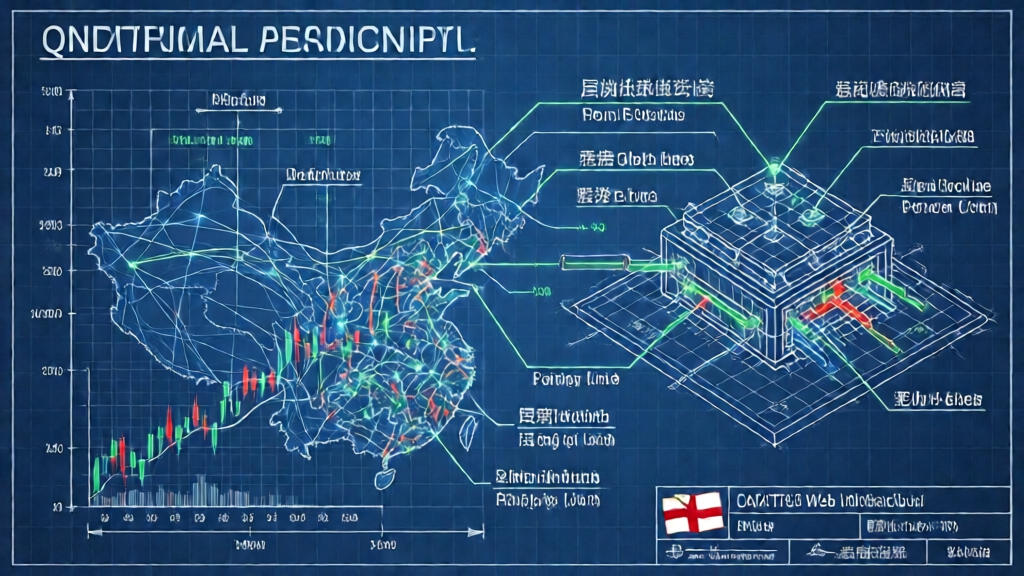
Analyzing the DePIN infrastructure, the necessary hardware for optimal performance includes nodes requiring less than 50W of power, a bandwidth minimum of 1Gbps, and an estimated payback period of 6 months. Failing to meet these specifications can lead to inefficiencies in yield.
The “Japanese Efficiency” Checklist
- Choose DMM Bitcoin for low liquidity depth suited to using Chinese protocols.
- Utilize Ledger Nano X wallets for appropriate DePIN hardware compatibility.
- Target nodes with minimal latency under 30ms for higher transaction efficiency.
- Engage with local brokers familiar with Chinese assets for smoother operations.
- Monitor compliance with the latest fiscal directives to avoid penalties.
- Consider cloud servers located in Tokyo for reduced operational latency.
- Leverage second-hand hardware markets to reduce initial capital expenditure.
- Set clear KPIs for returns expected from protocols to measure performance.
Conclusion
The intersection of China stock markets and Japan’s Web3 initiatives presents profitable opportunities for astute investors. By understanding the underlying technical and market dynamics, significant gains can be realized in the emerging landscape of 2026.
Author: Kenji “The Node-Master”
Kenji is the chief architect at suzukicoin.com with 12 years of experience in transnational industrial digitization and quantitative trading. He specializes in dissecting the Web3 infrastructure of major Japanese corporations (Sony/Honda/Suzuki) and focuses primarily on data integrity and compliance.


